

AI 4G GPS camera is based on AGPS positioning technology. Its main function is positioning and monitoring, by using the global positioning system and 4G network to transmit the images and videos acquired by the camera to the terminal in real time, and mark the latitude and longitude information of the shooting location. However, there are some technical limitations of AI 4G GPS camera in practical application.
First, the positioning accuracy of the AI 4G GPS camera is limited by the transmission time of the satellite signal. In practical applications, GPS needs to receive signals from at least four satellites to determine the position and altitude, so in some areas with weak signals or insufficient satellites, the positioning accuracy of the camera may be affected.
Secondly, the transmission speed and stability of AI 4G GPS camera are also limited by the 4G network. In the case of weak network signals or network congestion, the image and video transmission of the camera may be delayed or interrupted, affecting the monitoring effect.
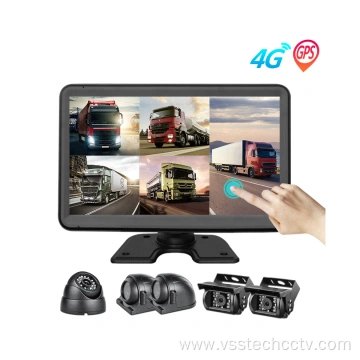
In addition, the storage capacity and data security of the AI 4G GPS camera are also problematic. Since the camera needs to transmit a large amount of image and video data in real time, it needs sufficient storage capacity to store this data. Also, these data need to be encrypted to ensure data security.
Finally, the cost and maintenance of AI 4G GPS cameras are also problematic. Since the camera requires the use of GPS and 4G network, the cost is relatively high. At the same time, the maintenance of the camera also requires certain technical support and equipment maintenance, which also increases the cost of use.
In summary, there are some technical limitations of AI 4G GPS camera in practical applications, such as positioning accuracy, transmission speed and stability, storage capacity and data security, cost and maintenance. These limitations need to be addressed in future research and development to improve the performance and reliability of the camera.