

In the digital age, the quality of visual experience has become a crucial factor for both work and entertainment. HD (High-Definition) monitors have emerged as a game-changer, redefining how we interact with digital content. With their enhanced clarity, vibrant colors, and sharp details, HD monitors are transforming various aspects of our daily lives.
At the heart of an HD monitor’s appeal is its resolution. Typically offering at least 1280 x 720 pixels, and often up to 1920 x 1080 pixels (Full HD), these displays deliver a significant leap in visual quality compared to standard monitors. This higher pixel density results in more lifelike images, making text easier to read and graphics more engaging. Whether you’re editing high-resolution photos, watching movies, or working on complex spreadsheets, an HD monitor ensures that every detail is crystal clear.
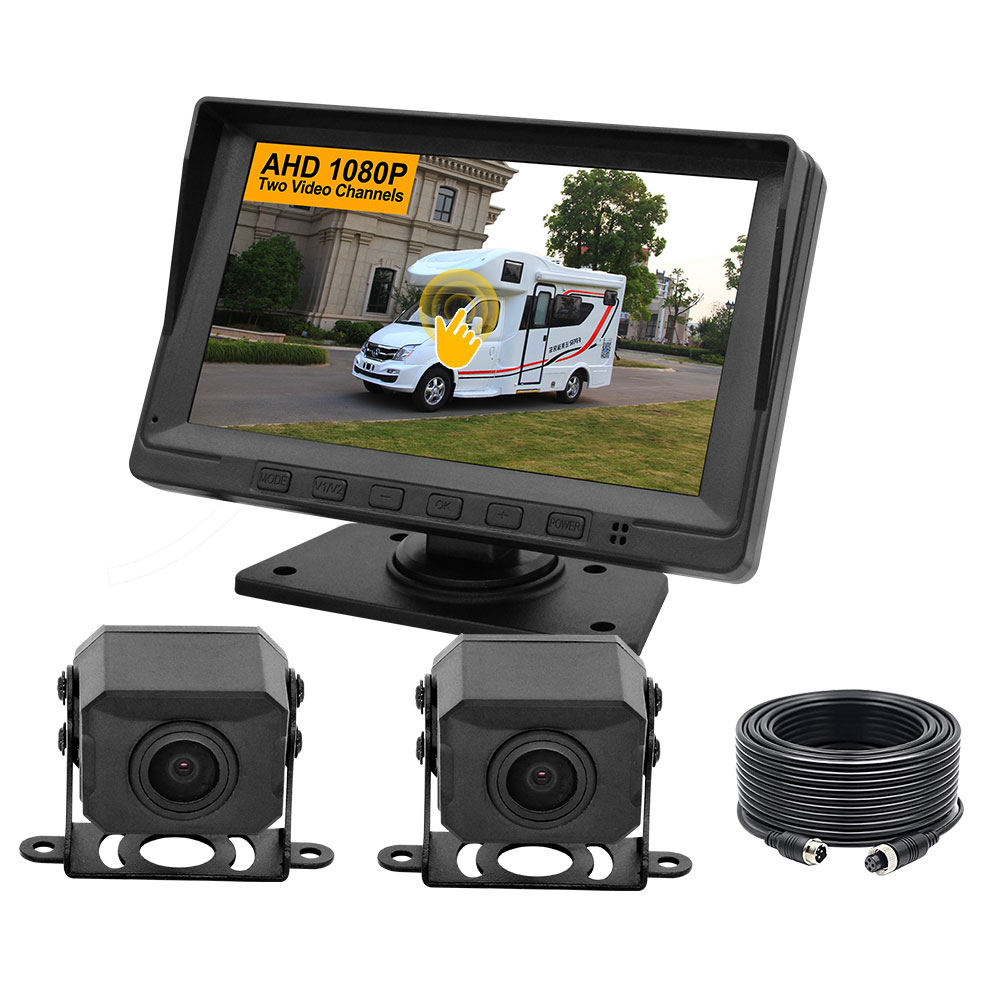
Another key advantage of HD monitors is their color accuracy. Advanced technologies such as IPS (In-Plane Switching) and VA (Vertical Alignment) panels enable a wider color gamut and better color reproduction. This means that colors on an HD monitor appear more vivid and true to life, enhancing the overall viewing experience. For creative professionals like graphic designers, photographers, and video editors, this level of color accuracy is essential for producing high-quality work.
HD monitors also play a vital role in the gaming world. With smoother frame rates and reduced motion blur, they provide a more immersive gaming experience. Gamers can enjoy detailed landscapes, realistic character models, and fast-paced action with enhanced visual fidelity, giving them a competitive edge.
In conclusion, HD monitors have become an indispensable tool for modern digital life. Their superior visual quality, color accuracy, and versatility make them suitable for a wide range of applications. As technology continues to evolve, we can expect even more advanced features and capabilities from HD monitors, further enhancing our visual experiences.